

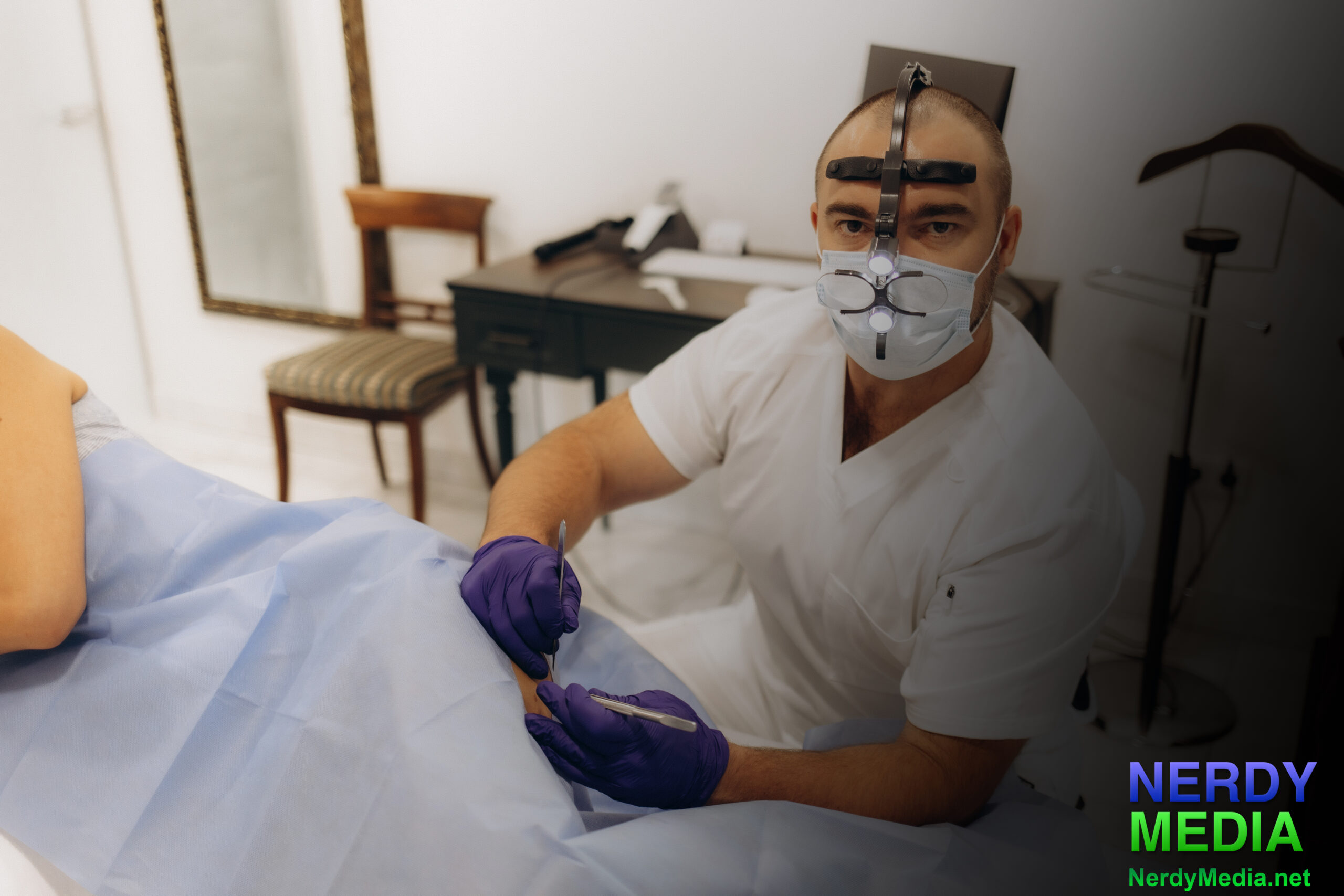
Marketing a plastic surgery business requires a strategic approach that combines digital presence, trust-building, and patient engagement. With high competition in the industry, it’s crucial to implement effective marketing tactics that highlight expertise, patient satisfaction, and unique services. Below are key strategies to successfully market a plastic surgery practice.
1. Develop a Strong Online Presence
a) Professional Website
A plastic surgery clinic's website is often the first impression for potential patients. It should be:
- Mobile-friendly and visually appealing
- SEO-optimized with relevant keywords (e.g., "best rhinoplasty surgeon in [city]")
- Informative with clear descriptions of procedures and pricing
- Equipped with high-quality before-and-after galleries
b) Search Engine Optimization (SEO)
To improve visibility and attract new patients, plastic surgeons should focus on:
- Local SEO (Google My Business optimization, local citations)
- Content with patient-focused keywords
- Regularly updated blogs with procedure insights and patient FAQs
- Technical SEO improvements (fast site speed, structured data)
2. Content Marketing & Blogging
Providing informative content builds trust and positions a plastic surgery clinic as a credible source. Blog topics may include:
- "What to Expect from a Facelift: A Step-by-Step Guide"
- "Top Myths About Liposuction Debunked"
- "How to Choose the Right Plastic Surgeon for Your Needs"
- "Recovery Tips for Breast Augmentation Patients"
3. Utilize Paid Advertising (PPC & Social Ads)
Paid advertising can be highly effective in attracting new patients. Strategies include:
- Google Ads: Targeted ads for specific procedures (e.g., "best tummy tuck surgeon near me")
- Facebook & Instagram Ads: High-quality image and video ads showcasing results
- Remarketing Campaigns: Targeting users who visited the website but didn’t book a consultation
4. Leverage Social Media Marketing
Social media platforms help plastic surgeons engage with potential patients and build brand awareness. Effective strategies include:
- Posting patient testimonials and before-and-after images (with consent)
- Hosting live Q&A sessions on Instagram and Facebook
- Sharing educational videos explaining procedures
- Engaging with patient comments and messages
5. Email Marketing & Lead Nurturing
Email marketing helps maintain engagement with potential and past patients. Strategies include:
- Sending newsletters with industry trends and clinic updates
- Offering limited-time promotions for consultations
- Providing recovery tips and personalized follow-ups
6. Online Reputation Management
Building trust through positive reviews is crucial in plastic surgery marketing. Key tactics include:
- Encouraging satisfied patients to leave Google and RealSelf reviews
- Professionally addressing negative reviews
- Showcasing patient success stories on the website and social media
7. Influencer & Referral Marketing
Word-of-mouth and influencer collaborations can significantly boost credibility. Strategies include:
- Partnering with beauty and lifestyle influencers for honest reviews
- Offering referral discounts for existing patients
- Collaborating with local med spas, dermatologists, and wellness clinics
8. Community Engagement & Public Relations
Getting involved in the community and media can enhance brand recognition. Tactics include:
- Sponsoring local beauty and wellness events
- Getting featured in beauty magazines and online publications
Successfully marketing a plastic surgery business requires a mix of digital marketing, patient engagement, and trust-building strategies. By optimizing online presence, leveraging social media, utilizing paid ads, and focusing on reputation management, plastic surgeons can attract more patients and grow their practice. Consistency and transparency in these efforts are key to long-term success in the competitive aesthetics industry.